-
×
 Elegía en rojo
1 × 24,00 €
Elegía en rojo
1 × 24,00 €
 Elegía en rojo
 Subtotal: 24,00 €

24,95 € IVA incluido
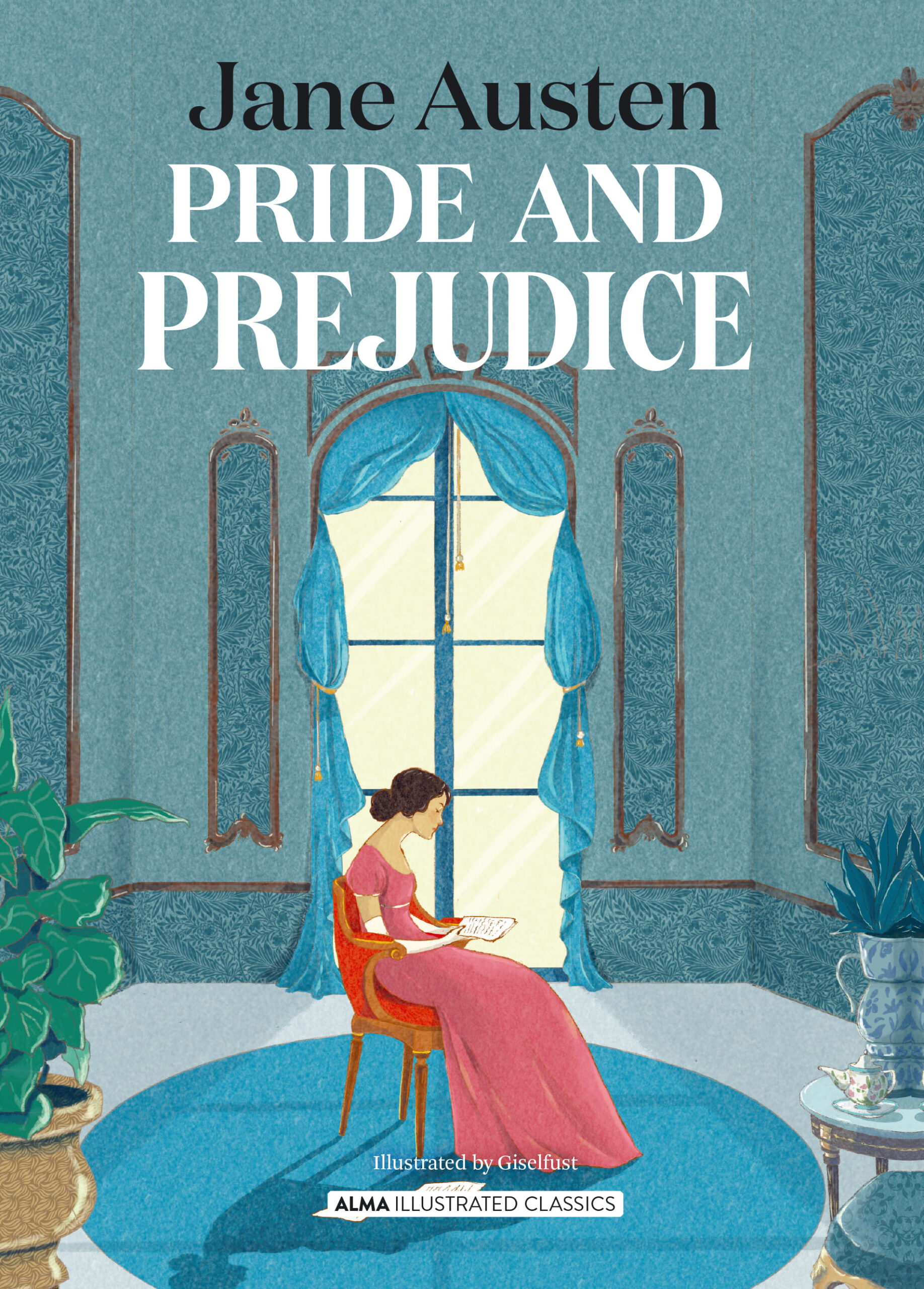
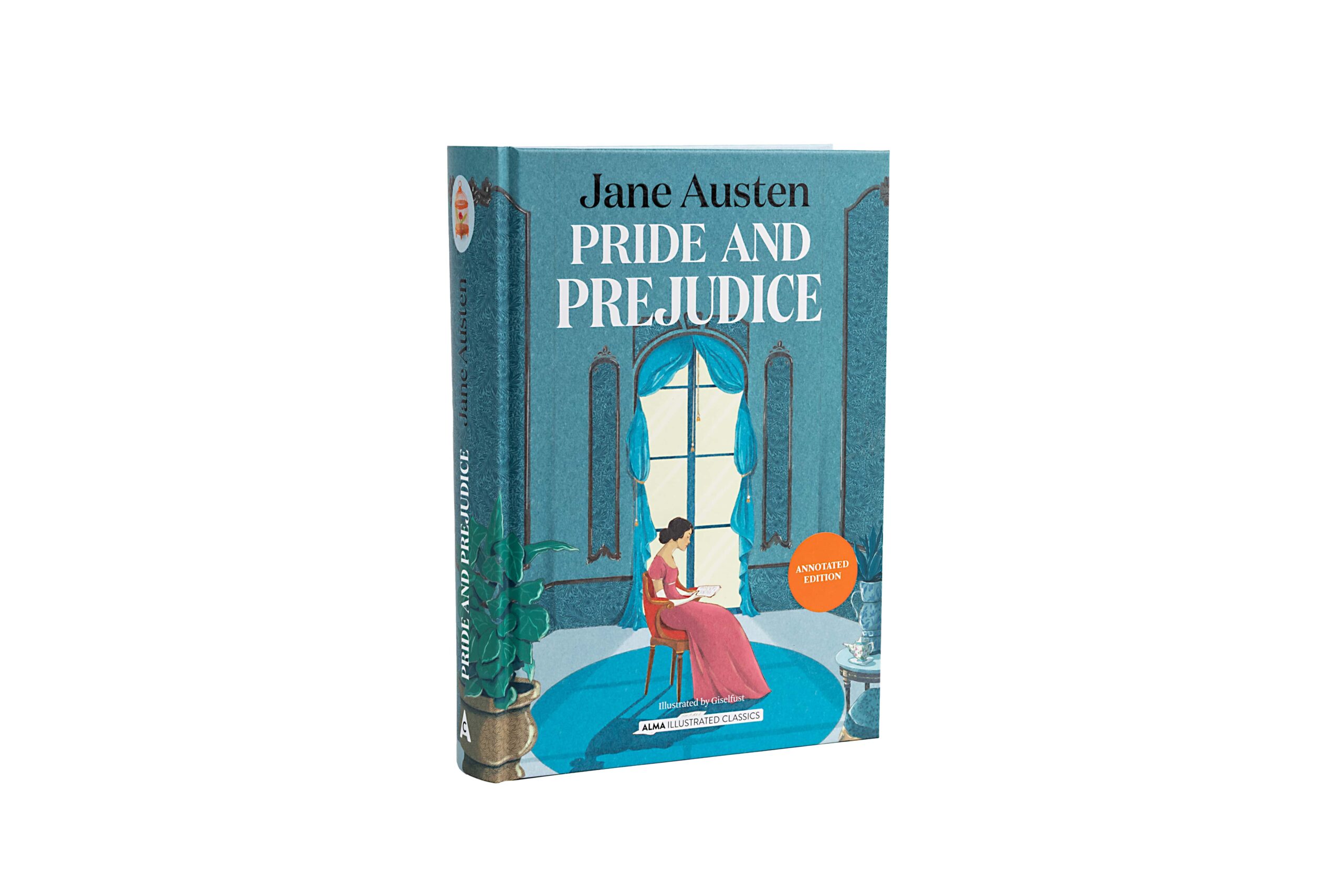
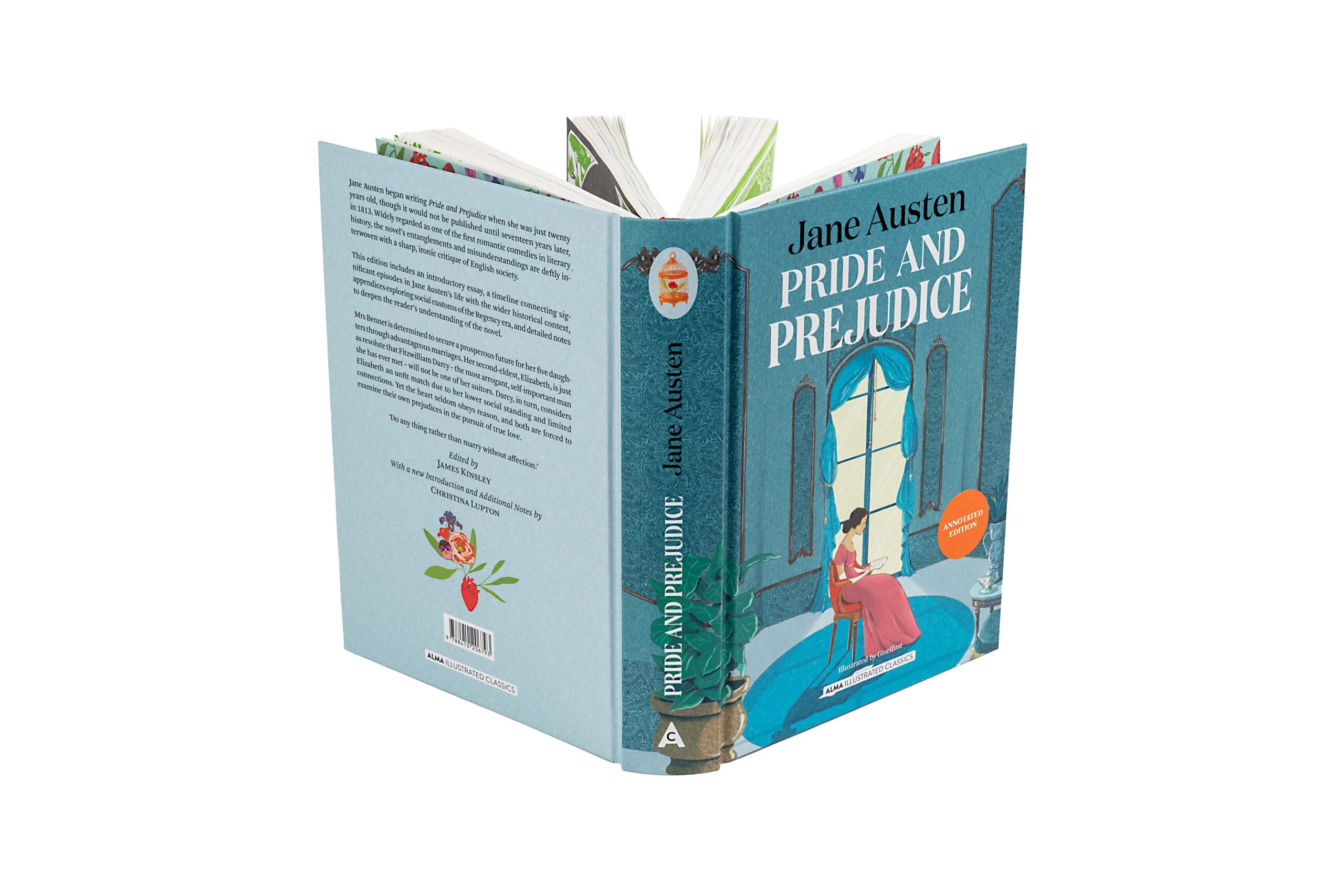
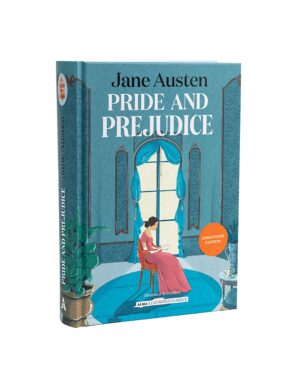
Autora: Jane Austen
ISBN: 9788410206793
Páginas: 512
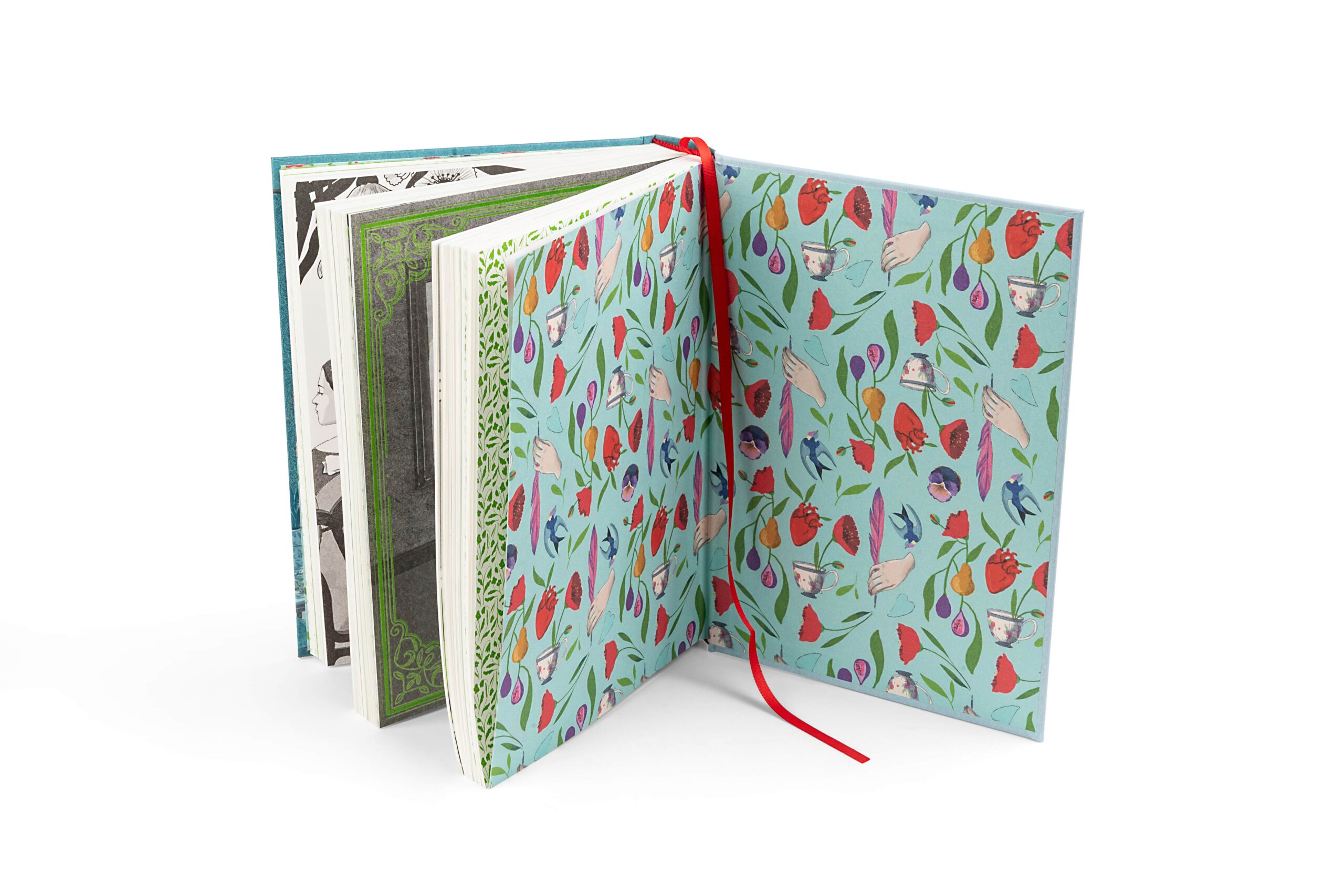
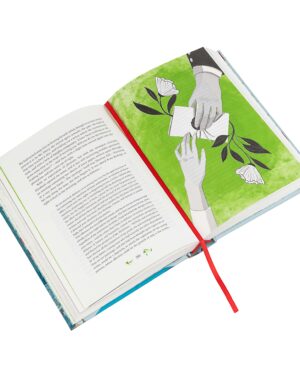
Encuadernación:Tapa dura
Formato: 15,5 x 21,5 cm
Impresión: 2 Tintas
Idioma: Inglés
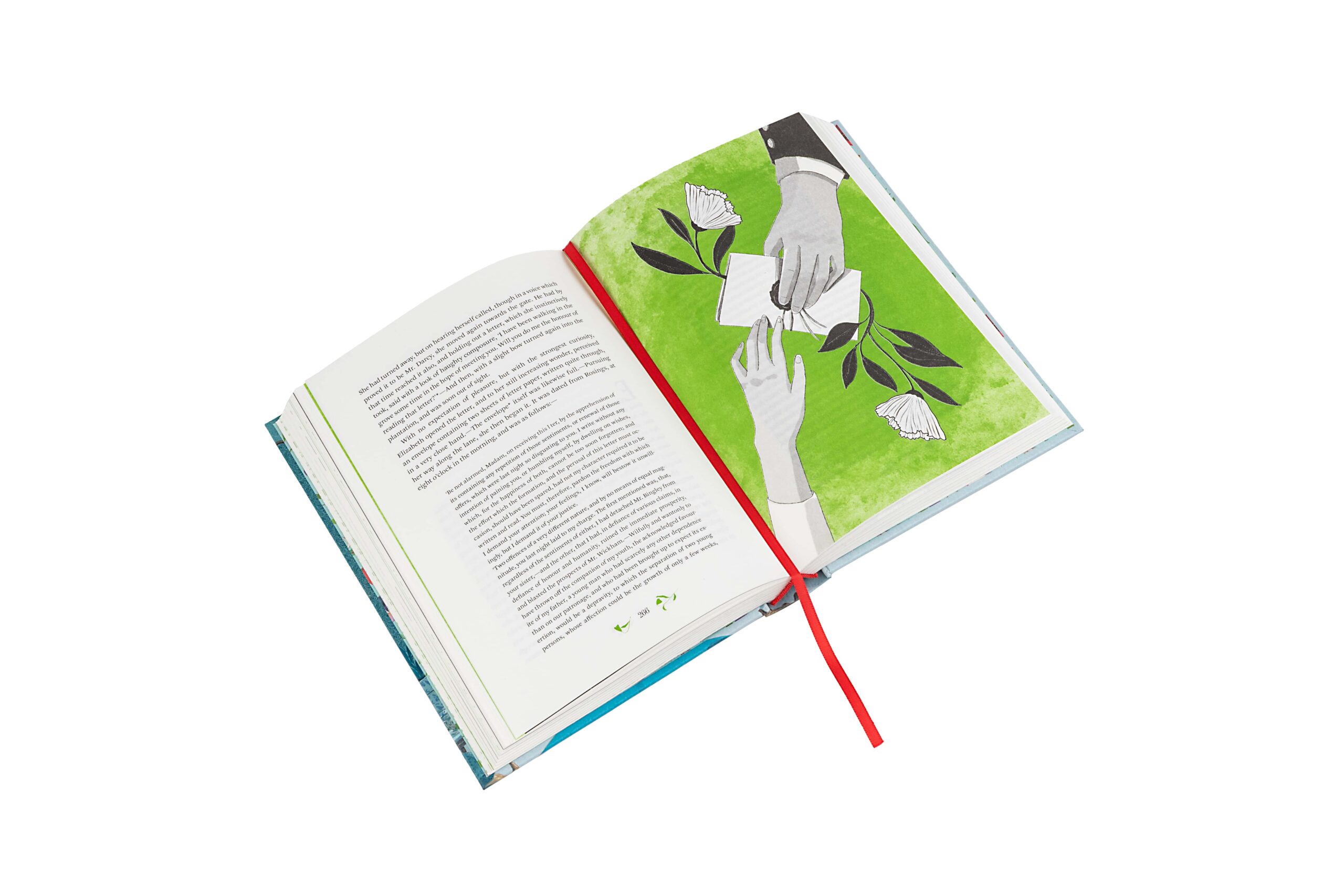
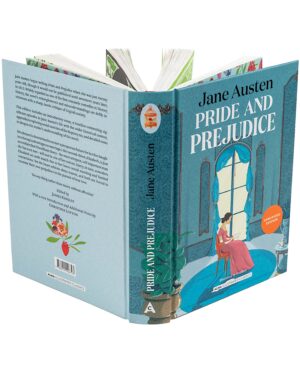
Jane Austen began writing Pride and Prejudice when she was just twenty years old, though it would not be published until seventeen years later, in 1813. Widely regarded as one of the first romantic comedies in literary history, the novel’s entanglements and misunderstandings are deftly interwoven with a sharp, ironic critique of English society.
Mrs Bennet is determined to secure a prosperous future for her five daughters through advantageous marriages. Her second-eldest, Elizabeth, is just as resolute that Fitzwilliam Darcy – the most arrogant, self-important man she has ever met – will not be one of her suitors. Darcy, in turn, considers Elizabeth an unfit match due to her lower social standing and limited connections. Yet the heart seldom obeys reason, and both are forced to examine their own prejudices in the pursuit of true love.
| Editorial | ALMA CLÁSICOS ILUSTRADOS |
|---|
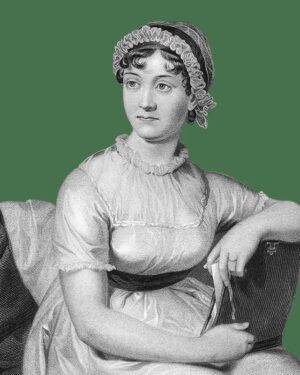
Jane Austen was born in 1775 and grew up in the small Hampshire village of Steventon, where her father was a Church of England clergyman. The Austen household was large, with eight children – six boys and two girls – as well as additional pupils, for Rev. George Austen supplemented his clerical income by taking in boy pupils as boarders. There was also a small farm, to supply the family with meat and vegetables, and there were maids and manservants to help with the work.
At age six, Jane and her elder sister Cassandra went away to school, first in Oxford and then in Southampton – however they were swiftly brought home when a ‘putrid fever’ broke out in the town and both girls became ill. From 1785-6 they attended the Abbey House School in Reading, where they were taught writing, spelling, French, history, geography, needlework, drawing, music and dancing. After this, their education was undertaken privately at home.
Whilst their formal education was scanty, the girls were given unrestricted access to their father’s extensive library; its books instilled Jane’s lifelong love of reading.
As a family the Austens were highly literate and creative, delighting in games, acting and writing. Many years later, Jane’s niece Anna described their charm as ‘all the fun and nonsense of a large and clever family’. In this atmosphere the young Jane Austen began writing, and between the ages of 11 and 17 she wrote a series of stories, sketches and fragments to entertain her family and friends.
Those that survive are held in three notebooks, in Jane’s original handwriting, inscribed respectively Volume the First, Volume the Second and Volume the Third, in conscious imitation of a contemporary novel. These notebooks are now among the national treasures held in the British Library, London, and the Bodleian Library, Oxford.
Jane’s teenage stories are spoofs, imitations and parodies of the kinds of books she was reading at the time: schoolroom textbooks and her favourite fiction. The teenage stories are full of action; in them, girls behave badly, eat too much, get drunk, steal money, get into fights and run off with each other’s fiancés.
Although at first they seem to be worlds away from her mindful and sedate adult novels, these early writings are clearly where she found her voice. They are little experiments in the art of novel writing, and full of clues about what was to come.
In 1801, when Jane was 25, her father retired and moved with his wife and two daughters to Bath. After spending the majority of her life in rural Hampshire, this removal was a great upheaval and a dramatic change of lifestyle for Jane. In Bath, once a stylish spa town but by then past its fashionable best, she attended balls and concerts, and visited the Pump Room and the Theatre Royal. Over the next few years the family also took holidays to Devon and Dorset, where Jane enjoyed coastal walks and sea bathing.
In 1805, Rev Austen died suddenly, leaving his wife and two daughters with a much reduced income. They were forced to rent smaller and less comfortable lodgings, and the following year they moved to Southampton, where they lived with their friend Martha Lloyd and with their brother Frank’s new wife, Mary, whilst Frank himself was away at sea. Money was tight, and the ladies stretched a small income as far as they could.
The eight years they spent in Bath and Southampton, or on long visits to relatives, were an unsettled time, reflected in Jane’s productivity as a writer. Whilst living in Steventon she had completed first drafts of Elinor and Marianne, First Impressions and Susan (later to be published as Sense and Sensibility, Pride and Prejudice and Northanger Abbey respectively); whilst living in Bath she seems only to have worked on The Watsons, a work that she left unfinished. There are many theories to account for this – that she was pining for the countryside, saddened at the loss of her childhood home, hated city life and had no space to write in their relatively cramped lodgings and no time in the busy whirl of her new social life. On the other hand, The Watsons, though unfinished, is one of Austen’s most interesting fictional experiments, introducing a new note of bleak social realism into her writing. Very few of her letters from this period survive, so we can only speculate as to whether the challenges of life at this time stalled her writing or ultimately improved it.
‘Chawton may be called the second, as well as the last home of Jane Austen; for during the temporary residences of the party at Bath and Southampton she was only a sojourner in a strange land; but here she found a real home amongst her own people.’
A Memoir of Jane Austen, James Edward Austen Leigh
In 1809, Jane’s elder brother Edward offered his mother and sisters a house on his Chawton estate, which he had inherited from wealthy relations, the Knights. The ladies moved to Chawton in July and together with Martha Lloyd they formed a stable and comfortable female household.
Jane wrote gleefully to her brother Frank, describing their pleasure in the house:
Our Chawton home — how much we find
Already in it, to our mind,
And how convinced that when complete,
It will all other Houses beat
Jane Austen, 26 July 1809
‘Chawton may be called the second, as well as the last home of Jane Austen; for during the temporary residences of the party at Bath and Southampton she was only a sojourner in a strange land; but here she found a real home amongst her own people.’
A Memoir of Jane Austen, James Edward Austen Leigh
In 1809, Jane’s elder brother Edward offered his mother and sisters a house on his Chawton estate, which he had inherited from wealthy relations, the Knights. The ladies moved to Chawton in July and together with Martha Lloyd they formed a stable and comfortable female household.
Jane wrote gleefully to her brother Frank, describing their pleasure in the house:
Our Chawton home — how much we find
Already in it, to our mind,
And how convinced that when complete,
It will all other Houses beat
Jane Austen, 26 July 1809
Here in Chawton, Jane had the time, space and will to write. She took out her earlier works and revised them for publication. She redrafted Elinor & Marianne (as Sense and Sensibility), and with her brother Henry’s help in 1810 it was accepted for publication by Thomas Egerton, who also went on to publish Pride & Prejudice in 1813. The following year Jane began a new novel, Mansfield Park, which was also published by Egerton, and in 1814 she began Emma, which was published in December 1815 by John Murray, the most fashionable publisher of the day, and dedicated by permission to the Prince Regent.
In 1815 Jane began writing The Elliots (later published as Persuasion); the following year her health began to fail, but she continued to write.
In 1816 Henry succeeded in buying back the manuscript of Susan, which had been sold in 1803 to a publisher in Bath but had never been published. It would appear a few months after her death as Northanger Abbey.
In 1817 she began her final novel, The Brothers (later published as Sanditon), but only completed the first twelve chapters. By April, her illness confined her to her bed, and later in the month she wrote a short will, leaving nearly everything to her ‘dearest sister Cassandra’.
Sin existencias
Astier de Villatte

Animal Lovers

Universo
Astier de Villatte

Insectos



Valoraciones
No hay valoraciones aún.